
Bengal's ₹1,000 Crore+ Tourism Push & The Darjeeling "Global Destination" Plan: What It Means For Siliguri Real Estate

GFS Realtors
We provide deep market insights and strategic advice for real estate buyers, sellers, and investors.
Expert at providing deep market insights and strategic advice for real estate
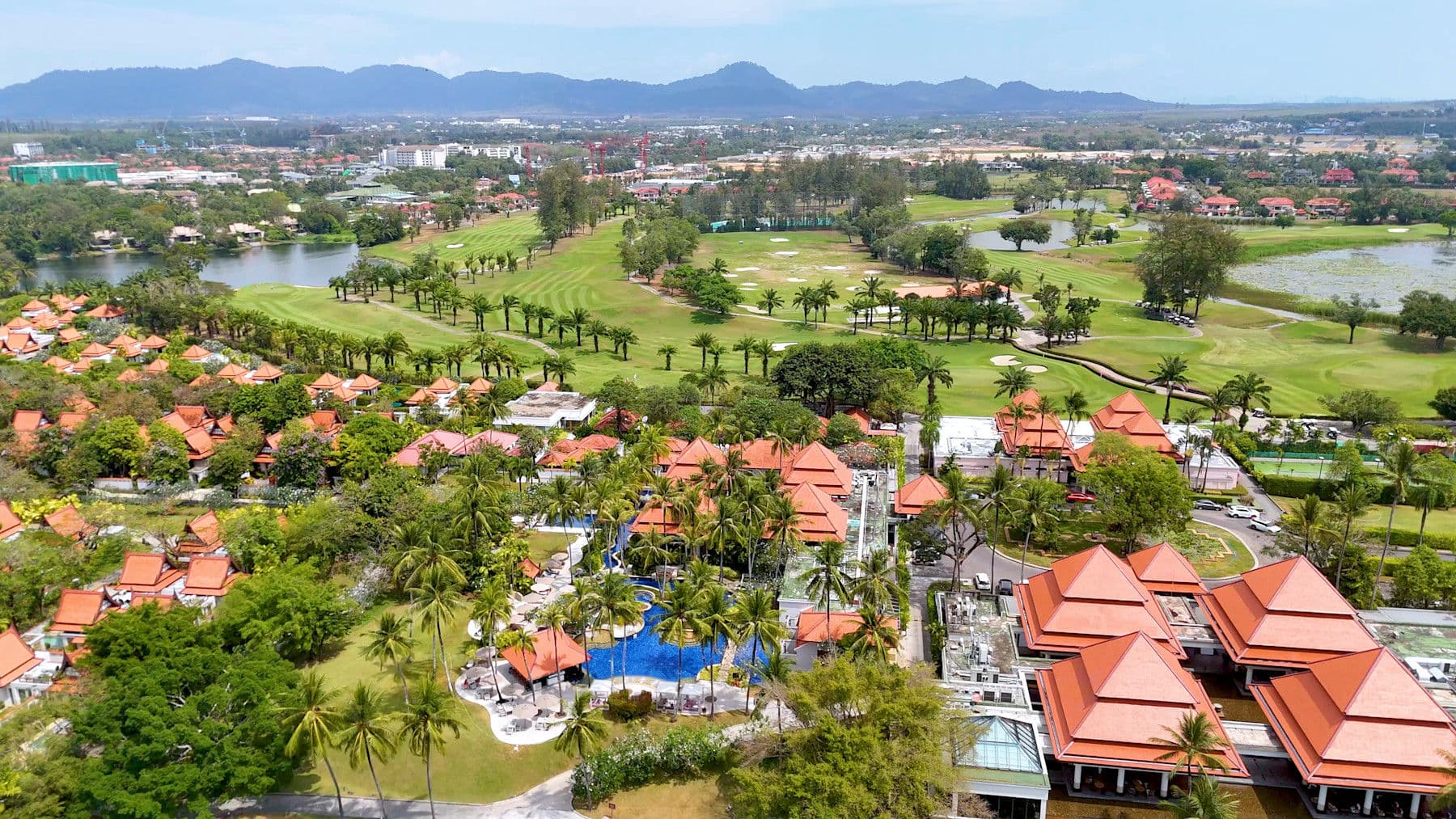
West Bengal has put real money behind tourism — a ₹1,000-crore plan to make Darjeeling a world-class "global destination," a facelift for Mirik, Kalimpong pegged as an adventure hub, dozens of new luxury hotels, and 100 tourist centres across North Bengal.
It's great news for travellers. But here's the part most miss: every rupee of that hill-tourism boom flows through Siliguri — the gateway to all of it.
When the hills get busier, the gateway city gets richer. Here's what it means for property here.
What This Guide Covers
What was actually announced
Why Siliguri is the real estate winner
Impact 1 — The hospitality real estate boom
Impact 2 — Commercial real estate & retail
Impact 3 — Holiday homes & vacation rentals
Impact 4 — Residential demand
Impact 5 — Gateway-corridor land & appreciation
The compounding effect: tourism + airport + connectivity
Which Siliguri segments benefit most
How this affects real estate — the positive picture
What buyers & investors should do
Expert view & takeaways
1. What Was Actually Announced
Let's start with the verified substance, kept factual and neutral — this is about the projects, not the politics.
West Bengal is rolling out a major tourism investment push, and the Centre has cleared the state's proposal to develop two international-standard "global" tourism destinations under the national "One State, One Global Destination" vision.
The specifics that matter for our region:
Initiative | What's planned |
|---|---|
Darjeeling | The state's first world-class "global" destination — around ₹2,500 crore for infrastructure & destination development |
Mirik | ₹100 crore to upgrade the lakefront, tourist accommodation & new activities |
Kalimpong | Identified as a future nature & adventure tourism hub |
North Bengal | 100 modern Tourist Information Centres; a push on tea tourism; a Tourism Industrial Policy to draw private investment |
Statewide hospitality | ~₹5,600 crore in tourism proposals; ~70 projects and ~40 luxury hotels planned |
The state's tourism leadership has explicitly framed North Bengal's development as crucial to a developed West Bengal, calling tea and land the region's biggest assets.
Figures are as reported for 2026 and are targets/proposals that can evolve — always confirm the latest status.
2. Why Siliguri Is The Real Estate Winner
Here's the logic that makes this a Siliguri story, not just a Darjeeling one.
You cannot reach the hills without passing through Siliguri. Darjeeling, Mirik, Kalimpong, Sikkim, the Dooars — every one of them is accessed via Siliguri, through Bagdogra Airport, New Jalpaiguri (NJP) railway, and the highways that fan out from the city.
Siliguri isn't a destination competing with Darjeeling — it's the funnel every tourist must pass through, often staying a night on the way up and the way down.
That's the golden position in tourism economics.
The destination gets the visit; the gateway gets the recurring, year-round economic base — the hotels, the transport, the retail, the logistics, the staff.
A ₹2,500-crore Darjeeling that draws far more visitors means far more feet through Siliguri — and that lands squarely on the city's real estate.
3. Impact 1 — The Hospitality Real Estate Boom
The most direct effect.
More tourists flowing through Siliguri means sustained demand for hotels, serviced apartments, boutique stays, guest houses and homestays — both as places for tourists to stay and as investable hospitality assets.
With ~40 luxury hotels planned across the state's tourism drive and Siliguri as the natural staging hub, hospitality real estate — land for hotels, serviced-apartment projects, and hospitality-led commercial — becomes a genuine growth segment.
4. Impact 2 — Commercial Real Estate & Retail
A tourism economy needs a commercial base, and Siliguri is it.
Expect strengthened demand for:
Tour operators, travel agencies & tourism business offices
Restaurants, cafés and F&B serving both tourists and the city
Retail — shopping for visitors passing through
Logistics & supply for the hospitality sector across the hills
This supports commercial property, retail space and offices in Siliguri.
5. Impact 3 — Holiday Homes & Vacation Rentals
A tourism boom is a second-home and vacation-rental boom.
As the hills become more attractive and better-serviced, demand grows for holiday homes — in Siliguri as a base, and in the scenic belts around it and in the hills accessed through it.
For investors, this opens the vacation-rental / holiday-let play — property that earns from the very tourist flow this policy is designed to create.
6. Impact 4 — Residential Demand
Tourism creates jobs — in hospitality, transport, retail, services — and jobs create residential demand.
As the tourism economy around Siliguri grows, more people work in and around the city, driving demand for rental and owned homes across budgets.
Add the professionals and entrepreneurs the sector attracts, and you have steady support for Siliguri's residential market — from affordable and mid-segment homes to premium residences, with healthy rental yields.
7. Impact 5 — Gateway-Corridor Land & Appreciation
The corridors that connect Siliguri to the hills and the airport are the physical arteries of this tourism flow — and land along them benefits most:
Sevoke Road / NH-10 — the route to Kalimpong, Sikkim and the hills
Hill Cart Road — the historic route toward Kurseong and Darjeeling
Bagdogra–Matigara — the airport gateway, where most tourists now arrive
Land and property along these gateway corridors stand to appreciate as tourism volume rises.
8. The Compounding Effect: Tourism + Airport + Connectivity
Here's what makes this more than a one-off boost.
The tourism push doesn't arrive in isolation — it lands on top of the biggest infrastructure wave in Siliguri's history:
The 10× bigger Bagdogra airport with ~10 million passenger capacity targeted around 2027
The Sevoke–Rangpo railway opening Sikkim by rail
New expressways and the NH-10 elevated corridor easing access
Tourism and connectivity reinforce each other: better access brings more tourists; more tourists justify more hotels, retail and homes.
Together, they re-rate Siliguri's real estate on two engines at once.
9. Which Siliguri Segments Benefit Most
Segment | Why it benefits | Best-suited buyer |
|---|---|---|
Hospitality | Direct tourist demand + 40 luxury hotels statewide | Hospitality investors, developers |
Commercial & retail | Tourism business base, F&B, retail | Commercial investors |
Holiday homes / rentals | Second-home & vacation-let demand | Yield & lifestyle investors |
Residential | Tourism jobs → housing demand | End-users, rental investors |
Gateway-corridor land | Physical arteries of tourism flow | Land / long-term investors |
10. How This Affects Real Estate — The Positive Picture
Step back, and this is one of the more genuinely bullish structural stories for Siliguri property in years.
Tourism is a durable, year-round demand driver. Unlike a one-time project, a world-class destination generates recurring visitor flows for decades.
It creates entirely new asset classes locally. Hospitality, serviced apartments and vacation rentals become viable, income-producing property categories.
Gateway economics capture the recurring value. Destinations get the visit; the gateway gets the hotels, transport, retail and staff base.
It compounds with the infrastructure wave. Tourism + a 10× airport + new rail and expressways creates a double-engine tailwind.
Jobs and enterprise deepen the market. A growing tourism economy means employment and business formation, which deepen residential and commercial demand.
It re-rates Siliguri's identity — and its property. This push accelerates Siliguri's evolution from a trading town into a gateway-hospitality economy and regional hub.
Tea tourism unlocks North Bengal's signature asset. Branding and investment around tea tourism turn the region's identity into an economic engine.
The bottom line: A hills tourism boom is, in real estate terms, a Siliguri boom — because Siliguri is the gate everyone passes through. Layered on the airport and connectivity upgrades, it gives the city's property market a durable, multi-year demand tailwind across hospitality, commercial, holiday-home and residential segments.
11. What Buyers & Investors Should Do
Opportunity still demands discipline.
Match the segment to the opportunity — hospitality/holiday-let for the tourism play, gateway-corridor land for appreciation, residential for steady demand.
Favour the gateway corridors and the airport belt — where the tourism flow physically concentrates.
Verify the property. A tourism tailwind can't fix a bad title or an un-buildable plot. Run every buy through legal due diligence, buildability/conversion, and risk checks.
Mind the regulatory layers — highway setback rules and eco-sensitive zones near forests/rivers apply along some of the very scenic corridors tourism favours.
Budget all-in & think long-term — tourism rewards patient, well-located holdings.
12. Expert View & Takeaways
I've watched Siliguri grow for two decades, and I've long argued that the city's greatest, most under-appreciated asset is its position — the gate to the entire eastern Himalaya.
This tourism push is the state finally investing behind that geography.
A world-class Darjeeling, a revived Mirik, an adventure-hub Kalimpong, luxury hotels and 100 tourist centres — all of it makes the gateway more valuable, and Siliguri is the gateway.
My honest advice: treat this as a real, multi-year tailwind, not a lottery ticket.
The investors who benefit will be those who pick the right segment — hospitality, holiday homes, gateway land, residential — in a well-located, verified property, and hold with patience.
Get the opportunity and the diligence right, and you're investing in front of one of the clearest structural stories this market has offered in years.
Key Takeaways
Bengal's tourism push — ₹2,500 cr world-class Darjeeling, ₹100 cr Mirik, Kalimpong adventure hub, 100 TICs, ~40 luxury hotels.
Siliguri is the gateway to all of it — the boom flows straight through the city.
Hospitality, commercial, holiday homes & residential all benefit; gateway-corridor land appreciates.
It compounds with the 10× Bagdogra airport and new rail/expressways.
A structural re-rating — from trading town to gateway-hospitality economy.
Pair the opportunity with due diligence — verify title, buildability, approvals and regulatory rules.